
Nestled within the vibrant community of Red Hill, SC, the College Park neighborhood stands as a testament to enduring Southern charm and historic legacy. With its lush parks, tree-lined avenues, and rich tapestry of stories, College Park has become much more than a place to live—it’s an emblem of togetherness, resilience, and ever-evolving tradition. Whether you’re a lifelong resident or a newcomer, the history and spirit of College Park invite exploration.
Origins: From Farmland to Flourishing Community
The story of College Park begins in the early 20th century, at a time when the Red Hill region consisted mostly of sprawling farmlands and dense pine woods. The Great Pee Dee River’s fertile valley encouraged agricultural development, and soon local families began settling in the area, laying the groundwork for a closely-knit community.
The neighborhood’s transformation began during the 1950s and 1960s, mirroring the post-war growth across South Carolina. As nearby Conway and Myrtle Beach expanded, so did the demand for family-friendly suburbs. Local planners envisioned a neighborhood that balanced modern amenities with the serenity of nature—a dream that blossomed into College Park.
Why College Park? The Story Behind the Name
True to its name, College Park’s identity is closely tied to education. The neighborhood sits just a short drive from Horry-Georgetown Technical College and Coastal Carolina University. Residents, proud of this proximity, chose the name “College Park” to reflect their commitment to academic excellence and community learning.
Throughout the decades, families have cherished this scholarly spirit. It’s not unusual to see students with backpacks strolling down College Park Drive or hear the excited chatter of parents cheering at local school games. The area has hosted school events, academic fairs, and encouraged the vibrant exchange of ideas, earning its place as a nurturing ground for future generations.
Key Milestones in College Park’s Story
College Park’s journey from sleepy farmland to a lively neighborhood is marked by important moments:
- Incorporation of Streets — The introduction of well-planned streets like College Park Drive, University Parkway, and Azalea Drive in the late 1960s set the stage for residential growth.
- Development Boom — The 1970s and 1980s saw a flurry of homebuilding, as families from across Horry County were drawn to College Park’s inviting layout and proximity to Myrtle Beach’s employment opportunities.
- Civic Engagement — The establishment of the College Park Civic Association ensured that residents had a voice. This group advocated for infrastructure improvements, worked to preserve green spaces, and hosted annual events like block parties and holiday parades.
- Growth of Local Institutions — The opening of College Park Elementary School in the 1980s became a hallmark, offering high-quality education and serving as a hub for neighborhood activities.
Landmarks That Tell a Story
College Park’s landscape is dotted with sites that have become part of the collective memory of Red Hill residents:
- College Park Community Center — Located on the corner of College Park Drive and Magnolia Street, this gathering spot hosts everything from scout meetings to yoga classes. Its mural, depicting scenes from Red Hill’s past, is a hidden gem.
- Heritage Oak Tree — Shading the intersection of University Parkway and Willow Lane, the neighborhood’s iconic live oak has witnessed generations of picnics, proposals, and playdates. Local legend holds that a time capsule is buried beneath its great roots.
- Willow Creek Park — This well-loved green space offers walking trails and playgrounds, making it a magnet for families and runners. Annual Easter egg hunts and summer concerts in the park foster a strong sense of community.
The Architecture: A Living History
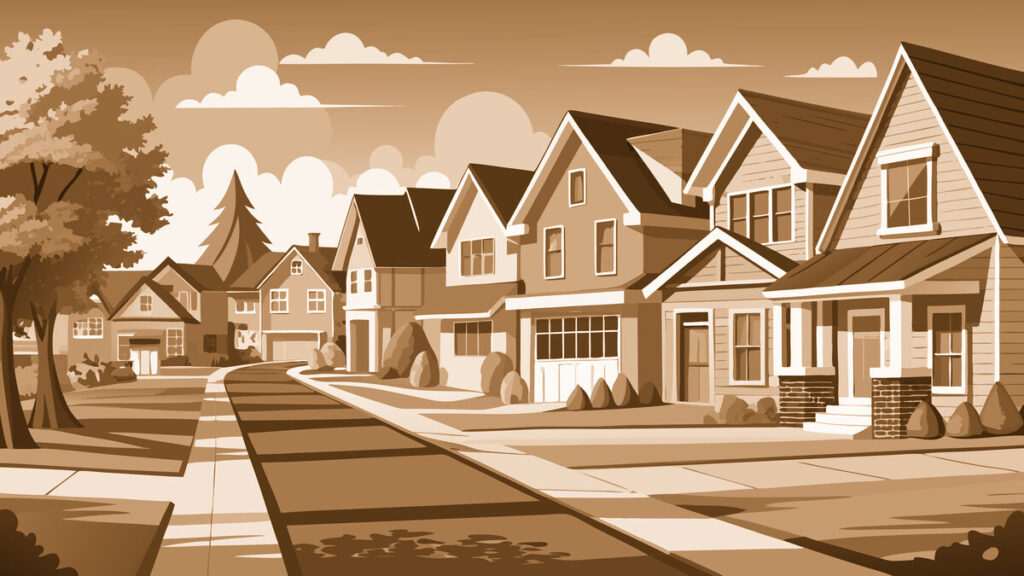
Walking around College Park, you’ll notice a blend of mid-century ranch homes, charming Cape Cods, and more recent custom builds. Many houses still sport the brick façades and cozy porches that became popular in the 1970s, giving the neighborhood a distinct, inviting look.
Certain streets, like Chestnut Street and Poplar Avenue, still boast original homes built by the area’s founding families. Neighbors often swap stories—from recollections of the first grocery store at the corner of Elmwood and College Park Drive, to tales of summer nights spent catching lightning bugs in spacious backyards.
Neighborhood Life: Rich Traditions and Warm Welcomes
College Park is more than its roads and buildings—it’s defined by people who care deeply about home, heritage, and each other. Annual events, like the College Park Fall Festival, bring neighbors together for music, crafts, and hearty Southern BBQ. The Spring Garden Walk, where residents show off prized camellias and azaleas, honors the area’s horticultural roots.
Many traditions endure:
- Porch Light Evenings — A custom where neighbors turn on their porch lights to signal company is welcome, ensuring newcomers feel like old friends.
- Heritage Day — Each May, families share stories and historical photos at the Community Center. Elders recount tales from the early days, passing knowledge to younger generations.
Evolution: Past, Present, and Future
While College Park has grown and adapted over the years, its sense of community remains steadfast. New restaurants and boutique shops along University Parkway hint at a vibrant future, while thoughtful zoning keeps the neighborhood’s peaceful vibe intact.
Developers and city planners have worked to preserve green space and respect the architectural heritage, even as new townhomes and eco-friendly houses take root. Walking trails, upgraded playgrounds, and community gardens are recent additions that honor the neighborhood’s legacy of healthy, shared living.
For residents and visitors alike, College Park is a place where history lives on every corner—whether in the laughter of children playing under century-old oaks, the smell of fresh biscuits wafting from a neighbor’s kitchen, or the stories shared on a welcoming porch.
Why College Park Stands Out
Above all, what makes College Park truly special is its spirit—a blend of history and hope that continues to draw people from near and far. For generations, its residents have built more than homes; they have built a caring, resilient community rooted in values both old and new. College Park isn’t just a neighborhood; it’s the heartbeat of Red Hill, and its story is woven into the very fabric of South Carolina itself.